
How Many Days Do You Need in Beijing? A Practical Trip-Length Guide
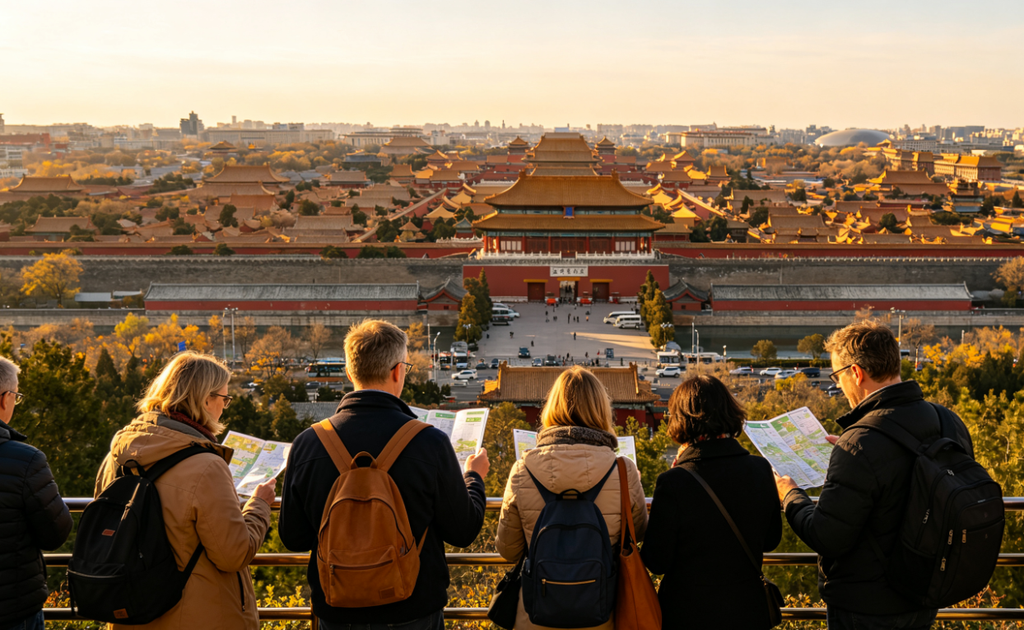
Quick Answer
So, how many days do you need in Beijing?
For most first-time international visitors, 4–5 full days is a good starting point. It gives you enough time to experience Beijing’s major historical attractions without turning every day into a race between subway stations and landmarks.
However, the ideal length depends on what you want from the trip:
| Trip Length | Best For | What You Can Realistically Experience |
|---|---|---|
| 2 Days | Short stopover | Central highlights |
| 3 Days | First introduction | Imperial Beijing + Great Wall + local culture |
| 4 Days | Balanced trip | Major landmarks + Great Wall + neighborhoods |
| 5 Days | Most comfortable first visit | Major sights + food + culture + flexibility |
| 7 Days | Slow exploration | Beijing highlights + deeper local experiences |
| 8+ Days | Extended trip | Beijing plus surrounding destinations |
The key is that more days don’t automatically mean a better Beijing trip.
A well-designed three-day itinerary can be more enjoyable than a poorly planned seven-day trip.
The real question is how much time you need to experience Beijing without spending the majority of your vacation in transit or exhausted from sightseeing.
1. Why There Isn’t One Perfect Number
Beijing is not a destination where you can simply count famous attractions and calculate the required number of days.
Your actual travel time depends on:
- Where you stay
- Which Great Wall section you visit
- How much history interests you
- How much walking you enjoy
- Whether you travel independently
- Whether you’re traveling with children
- How much local food you want to explore
- Whether you prefer a fast or relaxed pace
Someone interested primarily in imperial architecture might be satisfied with three days.
A traveler who wants museums, hutongs, food and slower neighborhood exploration could easily enjoy a full week.
That’s why the answer to how many days do you need in Beijing should be based on travel style rather than a fixed sightseeing checklist.
2. Two Days in Beijing: Enough for a Taste
Two days is short, but it can work if Beijing is one stop on a larger China trip.
You need to prioritize aggressively.
Day 1: Central Beijing
Focus on the historic heart of the city.
Possible priorities include:
- Tiananmen Square
- Forbidden City
- Jingshan Park
- A traditional neighborhood
Rather than adding several museums, spend enough time understanding the places you actually visit.
Day 2: Choose Your Priority
You have a decision to make.
Option A: Great Wall
Spend most of the day visiting a section such as Mutianyu or Badaling.
Option B: City Experience
Stay within Beijing and explore:
- Temple of Heaven
- Hutongs
- Local food
- Traditional neighborhoods
Trying to combine a substantial Great Wall visit with several major city attractions on the same day is usually too ambitious.
Who Should Choose Two Days?
Two days works for:
- Business travelers
- Stopovers
- Repeat visitors
- Travelers with limited vacation time
It is not ideal if you want to understand Beijing in depth.
3. Three Days in Beijing: A Strong First Introduction
Three full days is enough to create a meaningful first experience.
A practical structure is:
Day 1 — Imperial Beijing
Focus on the historic center.
Allow plenty of time for the Forbidden City rather than treating it as a quick photo stop.
Day 2 — Great Wall
Dedicate most of the day to one Great Wall section.
This is important because the Great Wall isn’t simply another attraction in central Beijing.
Transportation, hiking and return travel can consume most of a day.
Day 3 — Local Beijing
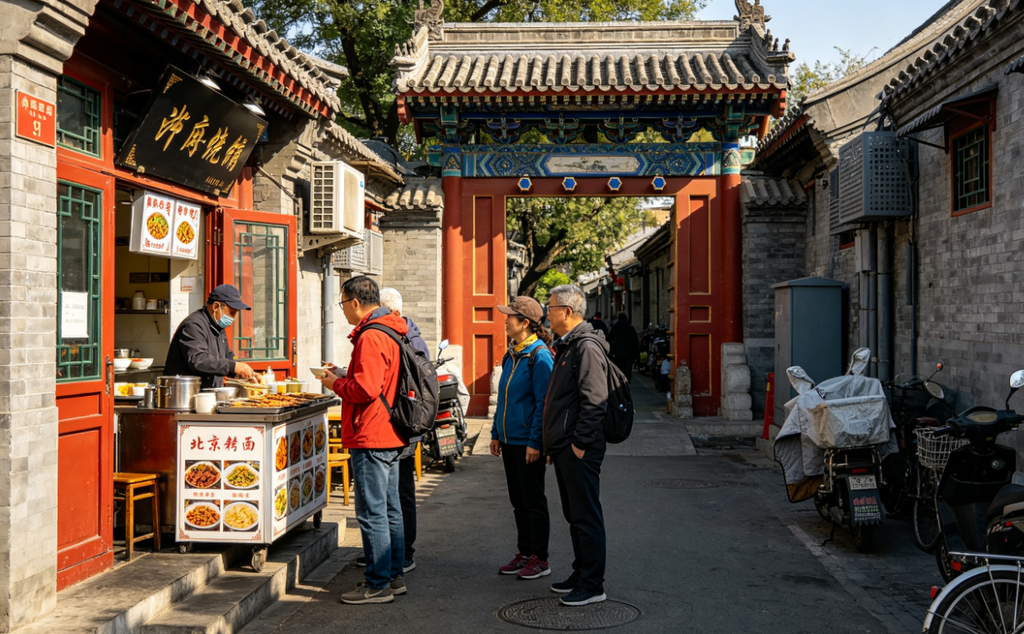
Move away from the biggest monuments.
Explore:
- Hutongs
- Local restaurants
- Traditional neighborhoods
- Markets
- Cultural sites
This third day gives the trip a different dimension.
Instead of seeing only monumental Beijing, you begin to experience everyday Beijing.
4. Four Days in Beijing: A Balanced Choice
Four days is where the itinerary starts to become much more comfortable.
You can separate major experiences instead of combining too many attractions.
A possible structure:
Day 1
Forbidden City and central historic Beijing
Day 2
Great Wall
Day 3
Temple of Heaven + local neighborhoods
Day 4
Summer Palace + food or cultural exploration
This structure provides a useful balance:
history + nature + architecture + local life
You also have more flexibility if transportation takes longer than expected.
5. Five Days in Beijing: The Sweet Spot for Many Travelers
For many first-time international visitors, five days is an excellent length.
You have enough time to see the major attractions while keeping the schedule relatively comfortable.
A possible itinerary:
Day 1 — Imperial Beijing
Explore the historic center.
Day 2 — Great Wall
Spend most of the day at your chosen section.
Day 3 — Temple of Heaven + Beijing Neighborhoods
Combine an important historical site with everyday city life.
Day 4 — Summer Palace + Cultural Experiences
Spend time in the northwest of the city.
Day 5 — Flexible Beijing
Use the final day for:
- Museums
- Hutongs
- Shopping
- Food
- Photography
- Missed attractions
- A slower neighborhood experience
The fifth day is valuable because it gives you something many short itineraries lack:
room to breathe.
6. Seven Days in Beijing: Explore Beyond the Checklist
A week allows you to stop thinking about Beijing as a collection of attractions.
You can explore the city by theme.
For example:
Day 1 — Imperial Beijing
Forbidden City and surrounding historic areas.
Day 2 — Great Wall
A full Great Wall experience.
Day 3 — Temple of Heaven
Followed by neighborhood exploration.
Day 4 — Summer Palace
Take your time instead of rushing through.
Day 5 — Hutongs and Local Culture
Explore traditional urban neighborhoods.
Day 6 — Food and Contemporary Beijing
Spend more time discovering restaurants, cafés, markets and modern cultural areas.
Day 7 — Flexible Day
Return to a favorite area or visit something you skipped earlier.
Seven days is particularly valuable for travelers who don’t enjoy rushing.
7. What Takes the Most Time in a Beijing Trip?
The answer isn’t always the attractions themselves.
Some of your schedule disappears into movement between experiences.
For example:
hotel → subway station → train → station exit → walking → attraction entrance
can take much longer than expected.
The Great Wall is an even stronger example.
A few hours of actual sightseeing can require a full day once you include transportation.
This is why your hotel location and geographic planning matter so much.
8. The Great Wall Can Change Your Ideal Trip Length
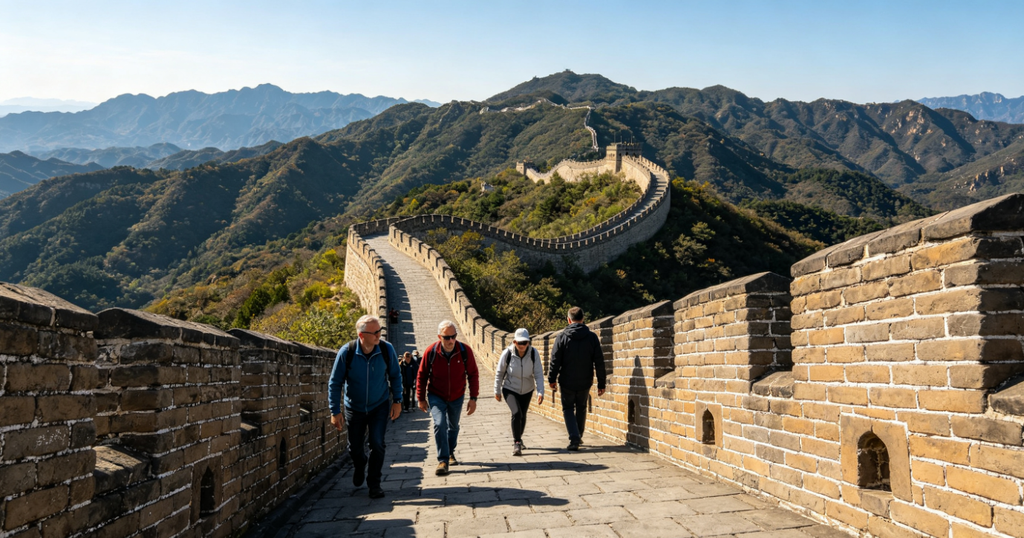
If the Great Wall is one of your priorities, add enough time for it.
A Great Wall day can involve:
- Leaving your hotel
- Traveling outside central Beijing
- Buying or checking tickets
- Reaching the entrance
- Hiking
- Taking breaks
- Having lunch
- Returning to Beijing
Trying to squeeze this between major city attractions usually creates unnecessary pressure.
If you have only two days, you may need to sacrifice another experience.
With four or five days, the Great Wall can fit naturally into the itinerary.
9. Don’t Visit Multiple Great Wall Sections in One Trip
If your time is limited, visiting several sections isn’t necessarily better.
Badaling, Mutianyu and Jinshanling each offer different experiences.
Instead of spending valuable travel time comparing multiple sections in person, choose one based on:
- Accessibility
- Hiking difficulty
- Scenery
- Crowds
- Available time
- Transportation
Then spend your remaining time experiencing Beijing itself.
10. Your Interests Should Determine Your Number of Days
Consider what you actually want to do.
If You Love History
Allow at least 4 days if possible.
You’ll have more time for:
- Forbidden City
- Temple of Heaven
- Summer Palace
- Museums
- Great Wall
If You Love Food
Five or more days can be rewarding.
You can explore different neighborhoods and dedicate more meals to local specialties.
Don’t just check restaurants off a list. Compare different styles and neighborhoods.
Your research can include Beijing local dishes to understand which traditional foods are worth prioritizing.
If You Love Hiking
Three to five days can work well.
Make the Great Wall a major part of your itinerary rather than an afterthought.
If You Prefer Local Life
Five to seven days is ideal.
You can spend more time walking through neighborhoods instead of constantly moving between monuments.
11. Traveling With Children Changes the Equation
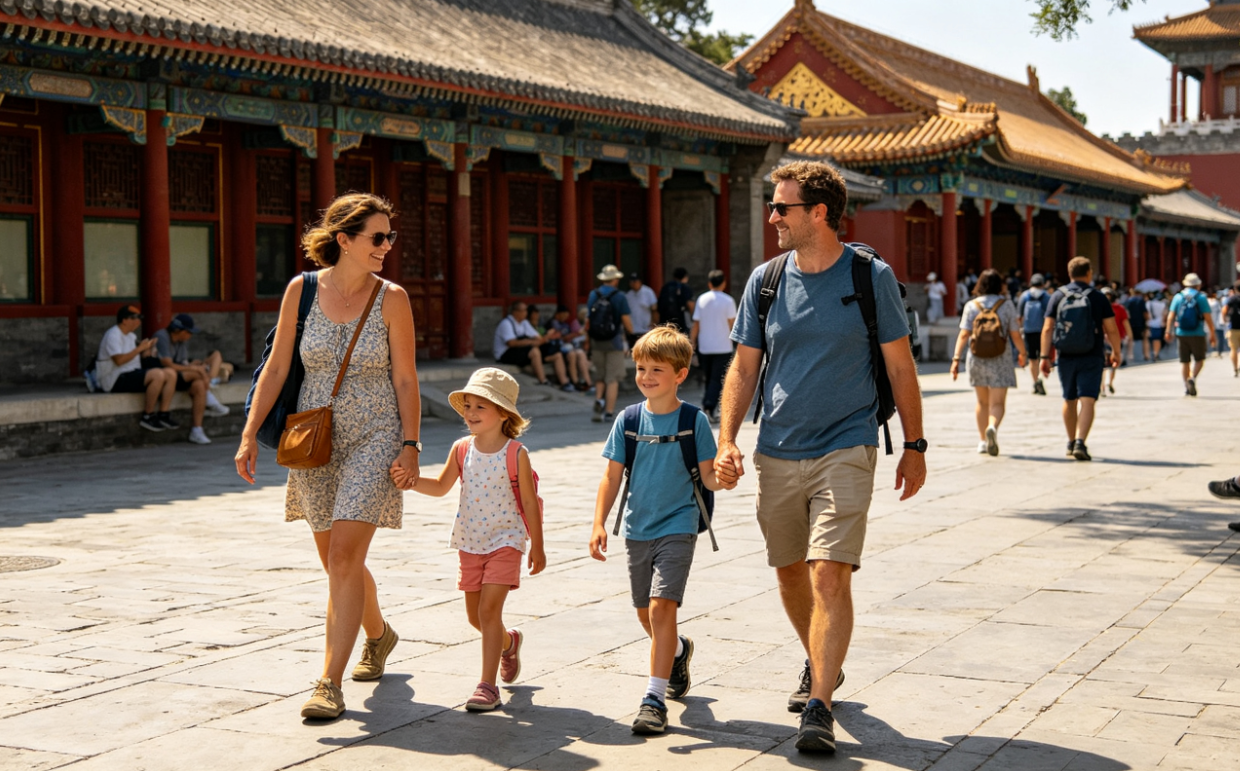
Families usually need more time than solo travelers trying to maximize sightseeing.
Children may need:
- More breaks
- Shorter transportation periods
- Flexible meal times
- Less walking
- More downtime
A three-day itinerary that looks manageable for adults can become exhausting for a family.
If you’re traveling with children, five days often provides a better balance.
You don’t have to fill every hour.
12. Older Travelers May Benefit From More Days
More time can also make Beijing easier for travelers who prefer a slower physical pace.
Instead of visiting three major sites in one day, you can spread them across several days.
This reduces:
- Long walking periods
- Multiple subway transfers
- Rushed meals
- Late evenings
The goal isn’t to reduce what you see.
It’s to distribute the physical effort more comfortably.
13. Add a Buffer Day When Your Schedule Allows
One of the biggest advantages of staying five or seven days is having a buffer.
A flexible day can absorb:
- Bad weather
- Transportation delays
- Attraction closures
- Unexpected fatigue
- Changes in reservation availability
It also gives you freedom to return to a place you enjoyed.
Travel becomes much less stressful when one delayed morning doesn’t destroy your entire itinerary.
14. Plan by Geographic Clusters

This is more important than simply deciding how many attractions to visit.
Imagine you have four attractions:
- A
- B
- C
- D
If A and B are nearby but C and D are across the city, grouping A+B together can save substantial time.
This principle becomes especially useful in a four- or five-day trip.
A good itinerary minimizes unnecessary backtracking.
If you need help coordinating attractions, transportation and available time, a plan Beijing trip service can be useful for turning your priorities into a logical route.
15. Your Hotel Location Can Add or Remove Hours
Two travelers can have exactly the same itinerary but very different experiences simply because they stay in different locations.
Before choosing a hotel, consider:
- Nearest subway station
- Main sightseeing areas
- Airport transportation
- Evening dining options
- Great Wall departure logistics
A convenient location doesn’t have to be in the most famous tourist district.
It needs to work well with your itinerary.
16. Don’t Count Arrival and Departure Days as Full Sightseeing Days
This is an important distinction.
Suppose you have:
Monday arrival
Tuesday
Wednesday
Thursday
Friday departure
You may technically be in Beijing for five calendar days.
But you don’t really have five full sightseeing days.
Arrival may involve:
- Airport procedures
- Transportation
- Hotel check-in
- Rest
Departure requires:
- Packing
- Airport transportation
- Check-in
- Security
So when asking how many days do you need in Beijing, think in terms of full usable sightseeing days, not simply hotel nights.
17. A Four-Night Trip Isn’t Necessarily Four Full Days
This is a common planning mistake.
If your flight arrives at 8 p.m. on Monday and leaves at 10 a.m. Friday, you have four hotel nights but only about three useful sightseeing days.
When booking flights, consider the actual time available.
An early arrival and late departure can effectively give you more usable travel time.
18. Food Can Influence How Long You Stay
Food is one of the easiest ways to slow down your itinerary in a good way.
Instead of treating meals as:
30-minute refueling stops
make some meals part of the experience.
You might spend time trying:
- Peking duck
- Zhajiangmian
- Jianbing
- Dumplings
- Hotpot
- Traditional pastries
- Local breakfast dishes
You can also explore different neighborhoods through food.
This becomes increasingly rewarding as your stay gets longer.
19. A Longer Trip Doesn’t Mean You Need More Famous Attractions
This is an important distinction.
If you stay seven days, don’t feel obligated to find seven days’ worth of landmarks.
Use the extra time to:
- Walk
- Eat
- Photograph
- Shop
- Rest
- Visit local neighborhoods
- Explore museums
- Revisit places
The purpose of a longer stay is often depth rather than quantity.
20. What Can You Skip on a Short Trip?
If you have only two or three days, prioritization becomes essential.
Consider your personal “must-see” list.
For a first visit, many travelers prioritize:
- One major imperial site
- The Great Wall
- One historic or cultural experience
- Local food
- Some unstructured exploration
You don’t need to visit every palace, temple and museum simply because they’re famous.
21. A Good Beijing Itinerary Has Different Rhythms
An effective itinerary shouldn’t feel like the same day repeated five times.
Instead, alternate intensity.
For example:
Day 1 — High intensity
Major historical attractions
Day 2 — High intensity
Great Wall
Day 3 — Moderate
Temple + neighborhood
Day 4 — Moderate
Summer Palace + food
Day 5 — Low intensity
Flexible exploration
This rhythm helps prevent sightseeing fatigue.
22. When Two Days Is Actually Enough
Two days can be enough if your goal is simply to experience Beijing’s highlights.
You don’t need to feel that you’re “doing Beijing wrong.”
A short trip can still be meaningful if you accept its limitations.
The mistake is trying to make a two-day trip behave like a seven-day trip.
Choose fewer experiences and experience them properly.
23. When Three Days Is Enough
Three days is a good compromise for travelers with limited vacation time.
You can create a simple structure:
Day 1: History
Day 2: Great Wall
Day 3: Local culture + food
It won’t cover everything.
But it can provide a surprisingly complete introduction.
24. When Four Days Is Better
Choose four days if you want the major highlights without constantly rushing.
You can separate:
- Central Beijing
- Great Wall
- Temple of Heaven
- Summer Palace
- Local neighborhoods
This is often where the itinerary starts feeling genuinely comfortable.
25. When Five Days Is Better Than Four
The difference isn’t necessarily one extra attraction.
The fifth day gives you flexibility.
You can:
- Sleep later
- Take longer meals
- Explore a neighborhood
- Adjust for weather
- Revisit a favorite location
- Handle unexpected delays
For many international visitors, that flexibility is worth more than another landmark.
26. When Seven Days Is Worth It
Seven days makes sense if you want to experience Beijing rather than simply photograph its highlights.
You can slow down and explore different layers of the city:
Imperial Beijing
→ palaces and temples
Historic Beijing
→ hutongs and traditional neighborhoods
Culinary Beijing
→ restaurants, markets and local dishes
Modern Beijing
→ contemporary architecture, shopping and cultural spaces
Natural Beijing
→ Great Wall and surrounding landscapes
This gives you a much broader picture of the city.
27. Should You Add Beijing to a Larger China Trip?
If Beijing is only one stop on a longer China itinerary, you may not need seven days.
Three to five full days can provide a strong introduction while leaving time for other destinations.
But if Beijing is your main destination, a longer stay becomes more valuable.
Your decision should therefore consider the entire China itinerary, not Beijing in isolation.
28. How to Build Your Own Ideal Trip Length
Use this simple formula:
Step 1: List Your Must-Sees
Write down your three to five highest priorities.
Step 2: Add the Great Wall
If it’s important to you, reserve a substantial portion of one day.
Step 3: Add Food and Neighborhoods
Don’t treat these as leftover activities.
Step 4: Group Attractions Geographically
Reduce unnecessary transportation.
Step 5: Add Recovery Time
Especially after the Great Wall.
Step 6: Add One Flexible Period
This can be half a day or a full day.
Once you complete these steps, your ideal trip length becomes much clearer.
29. A Simple Trip-Length Decision Guide
Choose 2 Days If:
You have a stopover or extremely limited vacation time.
Choose 3 Days If:
You want the essential first-time experience.
Choose 4 Days If:
You want the highlights with a more comfortable pace.
Choose 5 Days If:
You want history, the Great Wall, food and local culture without rushing.
Choose 7 Days If:
You want to explore Beijing deeply and maintain a relaxed rhythm.
30. Sample 5-Day Beijing Itinerary
Here’s a practical framework for travelers who want a balanced first visit.
Day 1 — Beijing’s Historic Core
Focus on the city’s imperial history.
Don’t overload the afternoon after a substantial morning of sightseeing.
Evening: Traditional dinner.
Day 2 — Great Wall
Choose one section.
Spend most of the day on the experience.
Evening: Return to Beijing and keep the evening relaxed.
Day 3 — Temple of Heaven + Local Neighborhood
Combine a major historical site with a less structured afternoon.
Evening: Explore local food.
Day 4 — Summer Palace + Cultural Experience
Spend time in the northwest rather than crossing the city repeatedly.
Day 5 — Flexible Beijing
Choose according to your interests:
- Museum
- Hutong
- Shopping
- Food
- Photography
- Revisit a favorite area
This final day prevents the entire trip from feeling like a fixed checklist.
31. Sample 7-Day Beijing Itinerary
For a slower trip:
Day 1
Imperial Beijing
Day 2
Great Wall
Day 3
Temple of Heaven + neighborhood exploration
Day 4
Summer Palace
Day 5
Hutongs + local food
Day 6
Museums + contemporary Beijing
Day 7
Flexible exploration
The additional days aren’t about adding attractions endlessly.
They’re about allowing each experience to breathe.
32. The Biggest Planning Mistake: Optimizing for Attractions Per Day
Travel websites often make itineraries look incredibly efficient.
But a real day includes:
- Breakfast
- Getting ready
- Transportation
- Finding entrances
- Security checks
- Waiting
- Walking
- Lunch
- Rest
- Returning to your hotel
An itinerary that technically fits on a map may not fit comfortably into a human day.
Always leave some margin.
33. The Best Number of Days Is the Number That Matches Your Pace
A fast traveler may enjoy three days.
A slow traveler may find five days barely enough.
Neither is wrong.
The ideal trip length depends on whether you prefer:
maximum coverage
or:
deeper experiences with more breathing room.
For most visitors, the middle ground is around four to five full days.
Final Takeaway
So, how many days do you need in Beijing?
For a first visit, 4–5 full days is the strongest all-around recommendation.
Three days can work if you focus on the essentials.
Two days is enough for a short introduction.
Seven days is ideal if you want to explore beyond the standard sightseeing checklist.
But don’t measure the quality of your trip by the number of attractions you visit.
A good Beijing itinerary should give you time for:
history + the Great Wall + local neighborhoods + food + flexibility.
If you are building the trip yourself, start with your priorities and then work backward from the time you actually have. A custom Beijing itinerary can be particularly useful when you have several interests but want to avoid unnecessary cross-city travel.
And remember that a five-day trip with realistic pacing can be far more rewarding than a seven-day schedule packed with back-to-back attractions.
Beijing is a city worth experiencing at more than one speed.
Give yourself enough time to see its monumental history, but also enough time to notice the smaller things—the neighborhood restaurant, the hutong street, the quiet courtyard, the local breakfast, or the evening walk that wasn’t on your original schedule.
For most first-time visitors, four to five full days provides the best balance between seeing the highlights and actually experiencing Beijing.