
Is Beijing a Good City for Food Lovers?
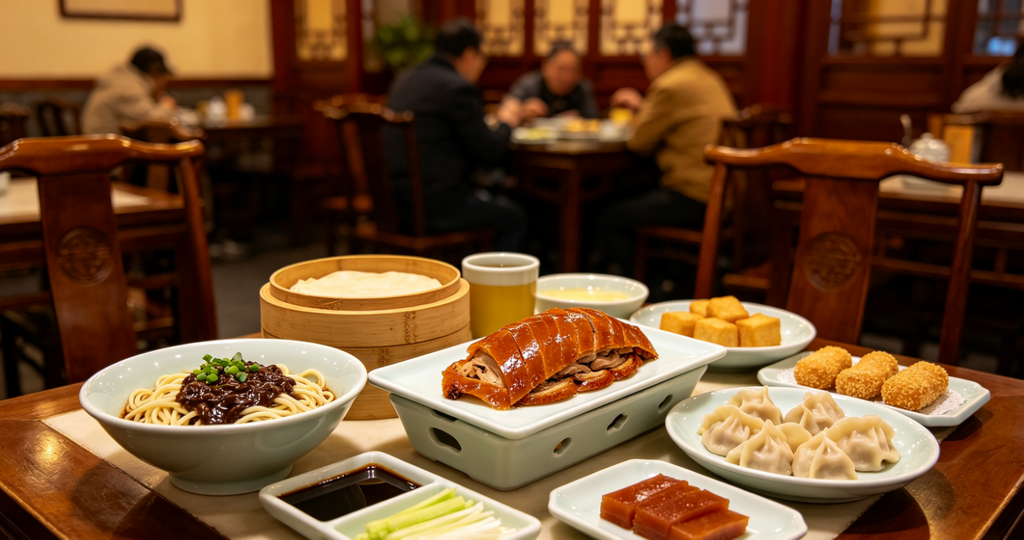
Beijing is famous for the Forbidden City, the Great Wall, imperial architecture, and historic neighborhoods. Food is sometimes treated as a secondary part of the experience.
For travelers who enjoy eating, however, Beijing offers something more interesting than a simple list of famous dishes.
The city’s food culture reflects its history as an imperial capital, its northern Chinese geography, centuries of migration, traditional wheat-based cuisine, Muslim culinary influences, and the constant arrival of new regional and international food traditions.
That makes Beijing food for food lovers less about finding one “best” dish and more about understanding how the city eats.
You can have a formal roast duck dinner one evening, eat noodles in a neighborhood restaurant the next morning, explore traditional snacks in a historic district in the afternoon, and finish the day at a modern restaurant interpreting northern Chinese ingredients in a contemporary style.
The real strength of Beijing’s food scene is this combination of tradition, regional diversity, everyday eating, and modern reinvention.
What Makes Beijing Interesting for Food Lovers?
A food-focused city does not necessarily need to have the largest number of famous dishes.
What matters is whether food reveals something about the place.
Beijing performs well on several dimensions:
- Deep historical food traditions
- Strong wheat-based northern cuisine
- Distinctive local dishes
- Regional Chinese cuisines from across the country
- Long-established Muslim food traditions
- Traditional breakfast culture
- Historic restaurants and food streets
- Contemporary dining
- Seasonal eating
- Neighborhood restaurants beyond major tourist attractions
The result is a food environment with several different layers.
A visitor can explore traditional Beijing cuisine, regional Chinese food, and modern interpretations without leaving the city.
1. Beijing Food Is Shaped by Northern Chinese Geography
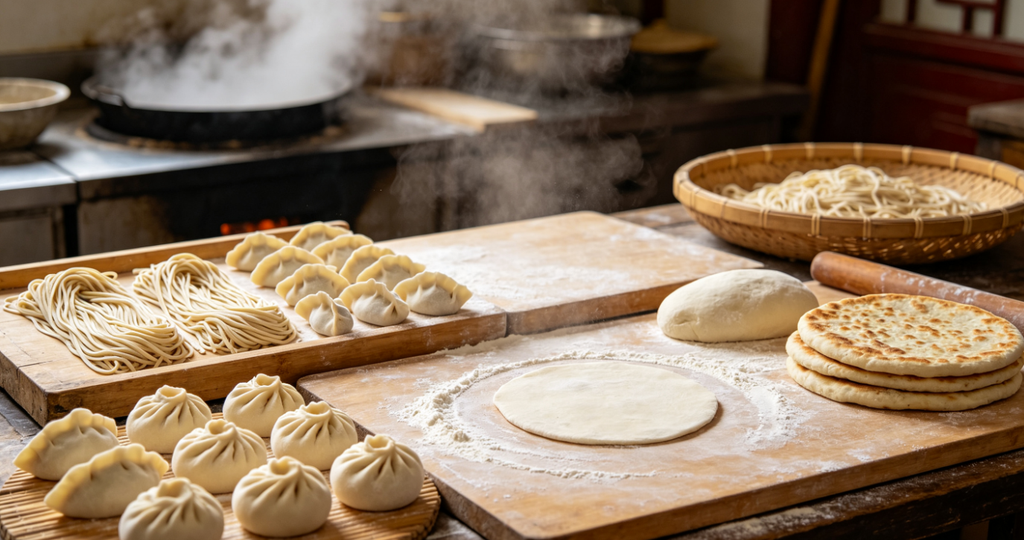
Understanding Beijing food starts with geography.
Northern China historically relied more heavily on wheat and other grains than the rice-dominated culinary traditions associated with much of southern China.
That influence can still be seen in Beijing’s everyday foods.
Instead of thinking only about famous restaurant dishes, look at the ordinary food categories:
- Noodles
- Dumplings
- Steamed breads
- Pancakes
- Stuffed buns
- Wheat-based snacks
- Savory sauces
- Lamb and beef dishes
These foods are particularly important for understanding what people actually eat beyond the city’s famous restaurants.
This also helps explain why Beijing’s food identity can feel different from that of Shanghai, Guangzhou, Chengdu, or other major Chinese food cities.
China does not have one unified cuisine.
Beijing is part of a much larger northern culinary tradition.
2. Beijing Cuisine Is More Than Peking Duck
Peking duck is probably the most internationally recognized Beijing dish.
It deserves its reputation, but it should not define your entire understanding of local food.
A food-focused visit should go beyond one famous restaurant experience.
Traditional Beijing cuisine also includes dishes and foods such as:
- Zhajiangmian
- Jiaozi
- Beijing-style lamb dishes
- Douzhi
- Jianjiao
- Tanghulu
- Savory breakfast pancakes
- Various wheat-based snacks
- Traditional pastries
Some of these foods are immediately approachable.
Others, particularly traditional breakfast items such as douzhi, can be more unfamiliar to international visitors.
That difference is part of the experience.
A city’s food culture becomes more interesting when travelers encounter both the dishes designed to impress visitors and the foods that developed from ordinary daily life.
3. Beijing’s Breakfast Culture Is Worth Exploring
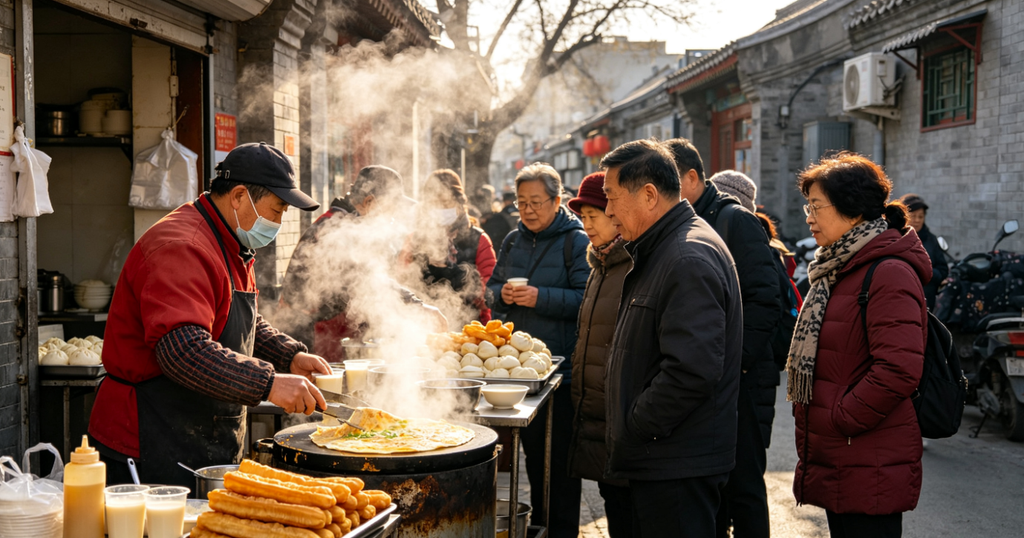
One of the easiest ways to understand a city is to see what people eat before the sightseeing day begins.
Beijing breakfast can include:
- Jianbing
- Baozi
- Youtiao
- Soy milk
- Noodles
- Steamed foods
- Savory pancakes
- Traditional snacks
Breakfast restaurants are often more practical than theatrical.
People may arrive quickly, eat, and leave for work or school.
This creates a completely different atmosphere from a formal dinner.
For food lovers, that contrast matters.
A city’s culinary identity is not only represented by its most famous restaurant.
It is also represented by what people eat on an ordinary weekday morning.
4. Beijing’s Local Dishes Can Be Surprisingly Regional
One misconception about Chinese food is that every restaurant in a major city represents the local cuisine.
In Beijing, the situation is more complicated.
The city is a national capital with a huge population and a long history of migration.
As a result, Beijing contains restaurants representing cuisines from across China.
You can find food associated with:
- Sichuan
- Hunan
- Yunnan
- Guangdong
- Shanghai
- Xinjiang
- Northeast China
- Northwest China
- Shanxi
- Jiangsu
- Zhejiang
- Many other regions
This means travelers should distinguish between:
Beijing cuisine
and
food available in Beijing.
They are not the same thing.
The first describes the city’s own culinary traditions.
The second describes the much broader restaurant ecosystem of the capital.
This distinction is important when building a food-focused trip.
5. Muslim Food Is an Important Part of Beijing’s Culinary Story
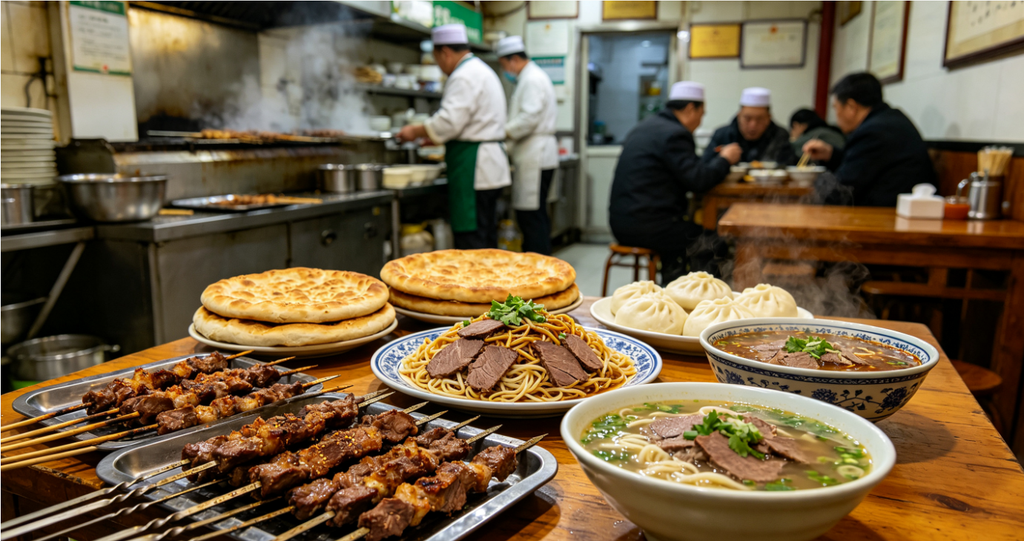
Beijing’s food culture also includes a long-established Muslim culinary tradition.
Halal restaurants can be found throughout the city, with dishes centered on ingredients and techniques associated with Muslim communities in China.
Lamb and beef are particularly prominent.
Visitors may encounter:
- Lamb skewers
- Hand-pulled noodles
- Beef and lamb dishes
- Flatbreads
- Dumplings
- Northwest Chinese specialties
The influence extends beyond individual dishes.
It demonstrates how Beijing’s food culture has been shaped by different communities over time.
For travelers interested in history, this creates an interesting connection between food and the broader story of migration, religion, trade, and urban development.
6. Food Can Help You Understand Beijing’s History
Food is often treated as entertainment.
In Beijing, it can also function as historical evidence.
Consider the relationship between food and the city:
Imperial Beijing
Elite dining, palace cuisine, ceremonial foods
Historic urban Beijing
Neighborhood restaurants, noodle shops, snacks, traditional markets
Migration and regional exchange
Cuisines introduced by communities arriving from different parts of China
Modern Beijing
Contemporary restaurants, international ingredients, new interpretations of traditional dishes
This historical perspective makes eating more meaningful.
Instead of asking:
“What is the most famous Beijing food?”
you can ask:
“Why did this food become part of Beijing’s identity?”
That question often leads to more interesting discoveries.
7. Traditional Restaurants and Modern Restaurants Offer Different Experiences
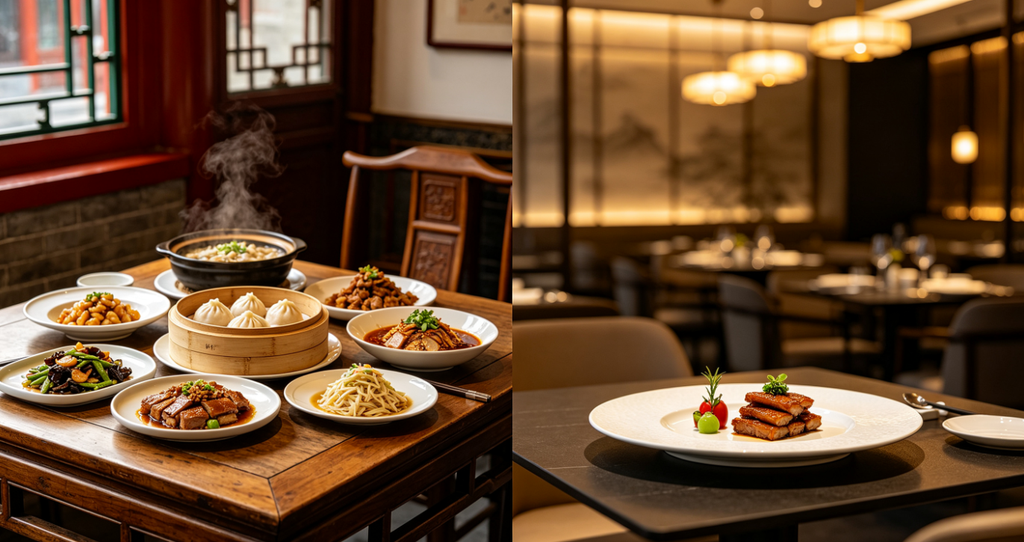
Beijing’s restaurant scene contains a strong contrast between old and new.
Traditional restaurants may emphasize:
- Established recipes
- Familiar flavors
- Historical reputation
- Traditional presentation
- Long-standing customer bases
Modern restaurants may emphasize:
- Contemporary presentation
- Creative ingredients
- International techniques
- New interpretations of Chinese dishes
- Design and atmosphere
Neither category needs to replace the other.
In fact, including both can make a food-focused trip more interesting.
A traditional restaurant can provide historical context.
A modern restaurant can show how Beijing’s culinary culture is changing.
Together they reveal that food traditions are not frozen in time.
8. The Restaurant Experience Can Be Part of the Culture
Food lovers sometimes focus entirely on the dish.
But the dining environment can tell you something about Beijing as well.
Consider:
- How dishes are ordered
- Whether food is shared
- How quickly meals are served
- Table arrangements
- Tea service
- Family-style dining
- Restaurant size
- Noise levels
- Reservation habits
- The role of seasonal ingredients
Chinese dining culture often emphasizes shared dishes rather than each person ordering one complete meal.
For visitors unfamiliar with this system, a meal can therefore be a cultural experience as much as a culinary one.
The way people order, share, discuss, and eat food is part of the destination.
9. Beijing Food Culture Changes by Neighborhood
Where you eat can influence what you discover.
Central tourist districts contain many restaurants designed to serve visitors, but they are only one part of the city’s food environment.
Traditional neighborhoods can offer:
- Small noodle shops
- Breakfast stalls
- Local bakeries
- Dumpling restaurants
- Family-run businesses
- Casual neighborhood dining
Commercial areas may offer a different combination of:
- Large restaurants
- Food courts
- Contemporary Chinese restaurants
- International chains
- Modern cafés
Meanwhile, areas with strong regional communities may contain more specialized cuisines.
This is why a good Beijing food culture guide should not simply provide a list of restaurants.
It should help travelers understand where different types of food experiences are likely to occur and why.
10. Hutongs and Food Work Well Together
Historic neighborhoods provide one of the most natural settings for combining food and sightseeing.
A typical experience might look like:
morning hutong walk → local breakfast → neighborhood exploration → traditional lunch → nearby cultural attraction
The value is not simply convenience.
Food becomes part of the neighborhood experience.
You can observe how restaurants fit into residential streets, how small businesses operate, and how traditional architecture has adapted to contemporary life.
This is very different from eating in a large restaurant inside a modern shopping complex.
Both experiences have value, but they tell different stories.
11. Street Food Is Worth Exploring—But Expectations Matter
International travelers sometimes expect Beijing to resemble cities famous for dense street-food markets.
Beijing certainly has traditional snacks and casual food, but the experience varies by neighborhood, season, and current local regulations.
Some historic food streets have become highly commercialized.
Other food experiences are better found in ordinary neighborhood businesses rather than formal “street food” zones.
This means food lovers should avoid treating “street food” as one single category.
Instead, look for:
- Traditional snack shops
- Breakfast businesses
- Small noodle restaurants
- Local bakeries
- Historic food streets
- Neighborhood markets
- Specialty food stores
The best experience may not look like the dramatic street-food scene shown in travel videos.
12. Seasonal Eating Adds Another Dimension
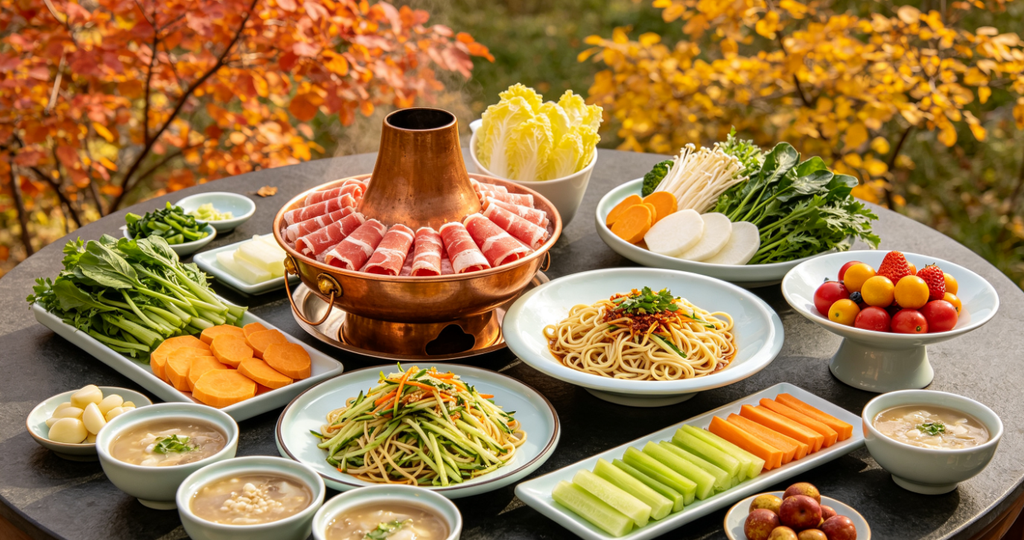
Traditional Chinese food culture pays considerable attention to seasonality.
That can affect:
- Ingredients
- Fruit
- Vegetables
- Soups
- Hotpot
- Desserts
- Tea
- Regional specialties
For visitors, this means the same city can offer a somewhat different culinary experience depending on when they visit.
Winter naturally encourages more warming foods.
Summer creates greater demand for lighter dishes, cold noodles, fruit, and refreshing drinks.
Spring and autumn bring their own seasonal ingredients and eating patterns.
Food therefore becomes another reason to think about when you visit Beijing rather than treating every season as interchangeable.
13. Food Can Be Used to Balance a Sightseeing Day
Food planning should also influence the structure of your itinerary.
A heavy sightseeing morning followed by a substantial lunch and another long walking session may leave you exhausted.
Instead, think about food in relation to energy.
For example:
High-energy morning → substantial local lunch → slower neighborhood afternoon
or:
Light morning sightseeing → longer restaurant experience → museum in the afternoon
This is particularly useful on Great Wall days or days involving major historic complexes.
Food is not just something placed between attractions.
It can help determine the rhythm of the entire day.
14. Do Not Build the Entire Trip Around Famous Restaurants
A common temptation for food-focused travelers is to turn the itinerary into a restaurant checklist.
That can create a strange travel experience.
You may spend an hour crossing the city to reach one restaurant, eat for ninety minutes, and then spend another hour traveling to the next attraction.
The restaurant may be excellent.
The day may not be.
A better strategy is to combine:
destination restaurants
with
neighborhood meals
and
spontaneous food discoveries.
This creates a balance between planning and exploration.
15. Beijing’s Food Scene Works for Different Budgets
Another strength is the range of dining formats.
Food lovers can experience Beijing through:
Casual dining
Noodles, dumplings, breakfast foods, small restaurants.
Mid-range restaurants
Traditional Beijing dishes, regional Chinese cuisine, family-style dining.
High-end dining
Fine-dining interpretations of Chinese cuisine, luxury hotels, contemporary restaurants.
Specialty experiences
Tea, traditional snacks, cultural dining, historical restaurants.
This range makes it possible to create a food-focused Beijing trip without assuming that every meal needs to be expensive.
In fact, some of the most revealing food experiences may come from simple everyday restaurants.
16. Food Restrictions Require More Preparation
International travelers with dietary restrictions should treat food planning as part of the practical preparation process.
Useful considerations include:
- Learning the Chinese names of foods to avoid
- Preparing a translated dietary statement
- Understanding common ingredients
- Confirming restaurant communication options
- Knowing whether cross-contact is a concern
- Keeping suitable backup food when necessary
This is especially important outside highly international restaurants.
The broader lesson is that food planning should reflect your own dietary needs, rather than assuming every restaurant can accommodate every request.
17. Food Is One of the Best Ways to Go Beyond the Tourist Version of Beijing
Major attractions show you Beijing’s monumental identity.
Food can show you a more ordinary one.
A breakfast shop tells you something about daily schedules.
A noodle restaurant tells you something about regional food traditions.
A neighborhood bakery reveals changing tastes.
A traditional restaurant preserves part of the city’s culinary memory.
A modern Chinese restaurant shows how that tradition is being reinterpreted.
This is why food is particularly useful for travelers who have already seen the city’s major landmarks or want a more layered experience.
18. What Should Food Lovers Actually Include in a Beijing Trip?
A food-focused itinerary does not need to contain twenty restaurants.
A better structure might include several different categories:
One iconic Beijing dish
For example, Peking duck.
One traditional everyday meal
Such as noodles, dumplings, or another northern staple.
One breakfast experience
Choose something that reflects local morning food culture.
One neighborhood food exploration
Combine food with a hutong or historic district.
One regional Chinese meal
Try a cuisine from another part of China that is particularly well represented in Beijing.