
Is Beijing Expensive for Foreign Tourists? A Practical Cost Guide
Is Beijing Expensive for Foreign Tourists?
Is Beijing expensive for foreign tourists? The short answer is that Beijing can be surprisingly affordable for everyday travel, but your total budget depends heavily on accommodation, dining preferences, sightseeing choices, and how you organize your trip.
Compared with many major cities in North America and Western Europe, Beijing offers relatively inexpensive public transportation, affordable local meals, and many attractions with reasonable admission prices. However, central hotels, international restaurants, private drivers, and premium guided experiences can increase your spending considerably.
For most visitors, the biggest budgeting mistake is treating Beijing as either an extremely cheap destination or an expensive international capital. In reality, it offers several different travel experiences at different price levels.
This guide breaks down accommodation, food, attraction tickets, transportation, and additional expenses to help international visitors estimate realistic costs before arriving.
How Much Does a Trip to Beijing Cost?
A useful starting point is to separate daily expenses from accommodation and one-time costs. The following figures are planning estimates rather than fixed prices. Actual expenses vary by season, hotel location, exchange rates, group size, and travel preferences.
| Travel style | Estimated daily budget per person | Typical experience |
|---|---|---|
| Budget | ¥250–¥450 | Hostel or economical accommodation, local restaurants, public transport |
| Mid-range | ¥500–¥1,000 | Comfortable hotel, varied dining, major attractions, occasional taxi |
| Comfortable | ¥1,000–¥1,800 | Better-located hotel, restaurant experiences, taxis, selected guided tours |
| Luxury | ¥1,800+ | Premium hotels, fine dining, private transportation, customized experiences |
These ranges are intended for initial planning and should not be interpreted as guaranteed 2026 market averages. Check actual hotel rates and attraction prices for your travel dates before finalizing your budget.
For accommodation, remember that a room price and a per-person cost are not the same. Two travelers sharing one room can often reduce their individual expenses substantially compared with solo travelers staying in equivalent accommodation.
International flights, travel insurance, visa-related expenses where applicable, shopping, and major intercity journeys should generally be budgeted separately.
1. Accommodation: The Expense That Makes the Biggest Difference

Accommodation is often the largest controllable expense during a Beijing visit. The difference between staying in a basic guesthouse and a centrally located international hotel can be greater than the combined cost of several days of meals and public transportation.
Budget accommodation
Hostels and economical hotels can suit travelers who prioritize sightseeing over hotel facilities. However, the cheapest available room is not always the best value.
Before booking, check whether the property accepts international guests, how far it is from a useful subway station, whether breakfast is included, and whether the room has the facilities you need.
A hotel farther from the center may have a lower nightly rate but create additional travel time and transportation costs.
Mid-range hotels
For many international visitors, a mid-range hotel offers a practical balance between comfort, convenience, and price. A location near a suitable subway connection can make it easier to visit major attractions without paying for taxis throughout the day.
The most convenient hotel is not necessarily the one closest to a famous landmark. Instead, compare the total journey to the places on your itinerary, including transfers, walking distances, and the time needed to return in the evening.
Premium and luxury hotels
Luxury accommodation can raise the total trip cost quickly, particularly during holidays and popular travel periods.
If a premium hotel is important to your experience, consider spending more on selected nights rather than automatically choosing the highest category for the entire stay. You can also compare weekday and weekend rates and review cancellation policies before committing.
Budget tip: Compare the total price for the full stay, including taxes, breakfast, cancellation conditions, and any additional fees. A low advertised nightly rate does not always represent the best overall deal.
2. Food: You Can Eat Well Without Spending a Fortune
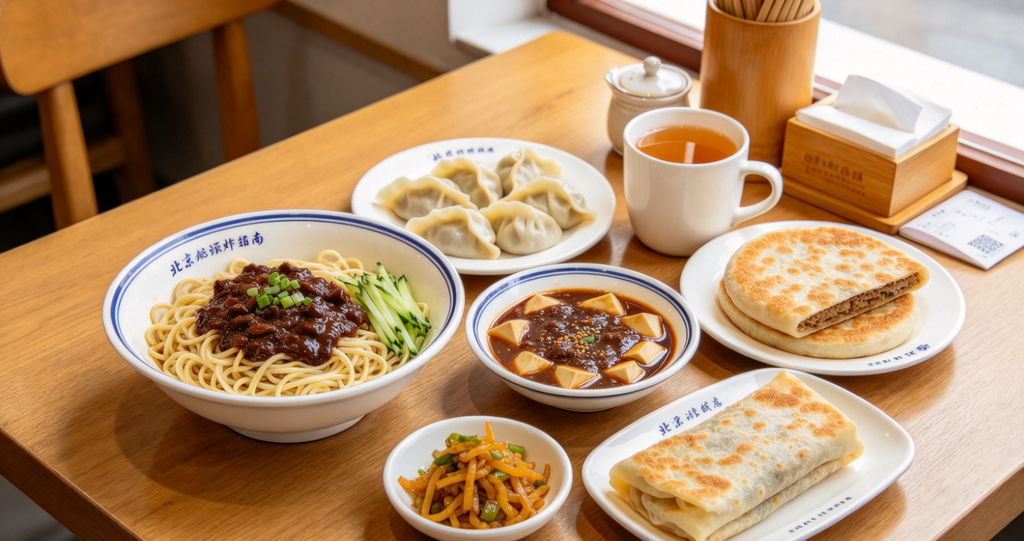
Beijing offers a wide range of dining options, from inexpensive breakfast stalls and noodle shops to traditional restaurants and high-end international dining.
Your food budget therefore depends more on your preferences than on the city itself.
Affordable local meals
Small local restaurants, dumpling shops, noodle restaurants, and neighborhood eateries can provide filling meals at relatively low prices. Breakfast items such as steamed buns and Chinese pancakes can also be inexpensive.
As a broad planning estimate, a simple local meal may cost around ¥15–¥40, although prices vary by restaurant, portion size, and location.
Travelers who enjoy local cuisine can often keep daily food expenses manageable without sacrificing variety.
Mid-range restaurants
If you prefer comfortable seating, a wider menu, or restaurants near major attractions, allow more money per meal.
A practical planning allowance might be ¥50–¥150 per person for a casual restaurant meal, with higher prices at popular locations or restaurants specializing in premium ingredients.
Menus and portion sizes differ, so check prices before ordering if you have a strict budget.
Peking duck and special dining experiences
Peking duck is a classic Beijing dining experience, but the cost varies substantially between restaurants. The final bill depends on the restaurant’s reputation, the number of diners, side dishes, drinks, and whether you order a full duck or individual portions.
Rather than assuming every meal needs to be inexpensive, allocate a separate amount for one or two special dining experiences.
This approach lets you enjoy regional cuisine while keeping the rest of your daily spending under control.
How to estimate your daily food budget
- Budget traveler: Plan around ¥60–¥120 per day if most meals are inexpensive local food.
- Mid-range traveler: Consider ¥120–¥250 per day for a mixture of local meals and sit-down restaurants.
- Comfort-focused traveler: Allow ¥250–¥500 or more per day if you regularly choose premium restaurants or specialty dining.
These are illustrative budgets, not fixed restaurant prices. Travelers with dietary restrictions or a preference for international cuisine may need a larger allowance.
3. Attraction Tickets: Major Sights Can Be Relatively Affordable

Beijing’s historical and cultural attractions are a major reason the city can offer good value. Admission to some famous sites costs relatively little compared with the overall experience, although additional services and transportation may increase the final expense.
Potential sightseeing expenses include:
- The Forbidden City: Admission varies by season and ticket category. Check the official booking information for your visit date.
- The Temple of Heaven: Budget for admission and check whether a combined ticket is appropriate for the areas you want to visit.
- The Summer Palace: Consider the difference between basic admission and tickets that include additional areas.
- The Great Wall: The final cost depends on the section, entrance ticket, shuttle bus, cable car, toboggan, and transportation from central Beijing.
- Parks and neighborhood walks: Some outdoor areas are inexpensive or free to enter, although certain attractions or exhibitions inside them may charge separately.
For a realistic budget, do not calculate the cost of a Great Wall visit using the entrance ticket alone. Transport, optional cable cars, meals, and the time required for the excursion can make the total considerably higher.
The same principle applies to other attractions: identify which experiences are essential to you, check their current ticket requirements, and include additional services only when you intend to use them.
Booking and availability matter
Some popular attractions use advance reservations, timed entry, or visitor limits. A cheap ticket is of little practical value if you cannot obtain admission for your preferred date.
Reserve major attractions as early as the official booking rules permit. Also check identification requirements and cancellation conditions before paying.
A well-planned sightseeing budget should reflect both the ticket price and the practical cost of completing the visit.
4. Transportation: Getting Around Beijing Does Not Have to Be Expensive
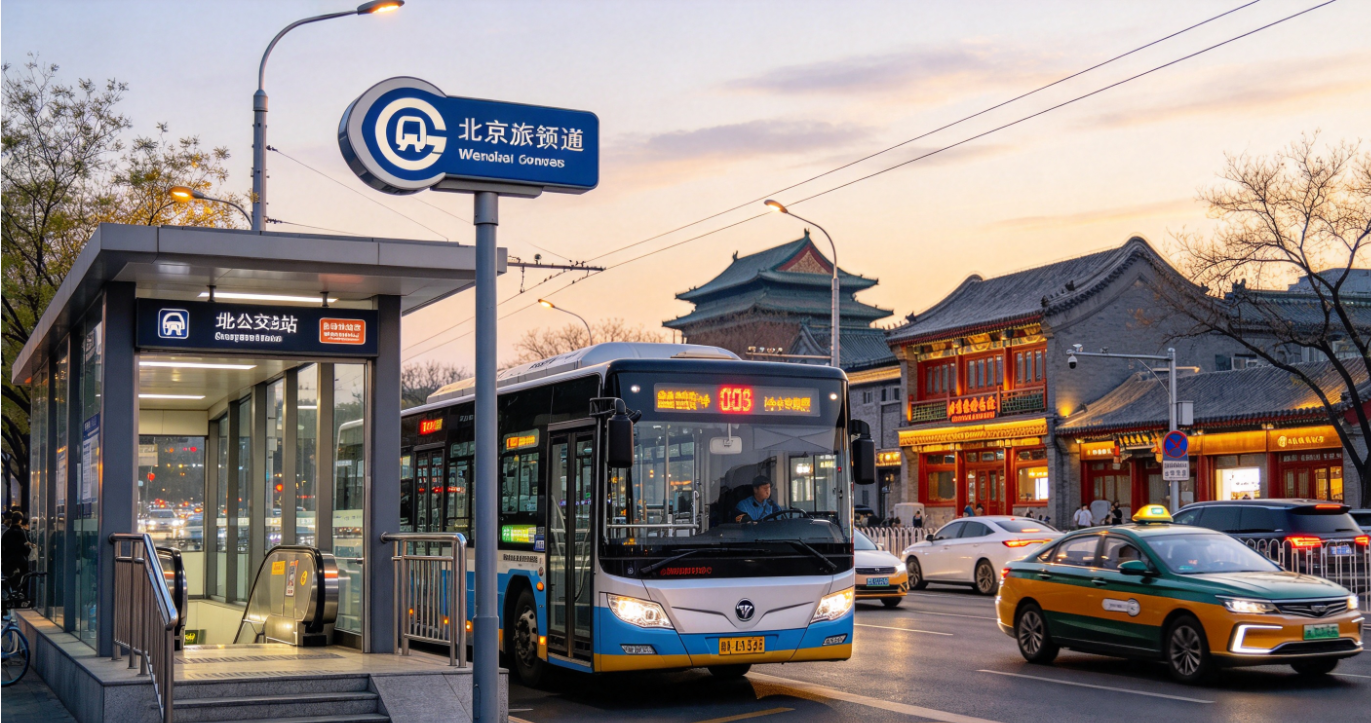
Public transportation is one of the easiest ways to control daily spending in Beijing. The subway network connects many major sightseeing areas, while buses serve additional neighborhoods.
According to Beijing’s official subway fare information, most urban rail journeys use distance-based pricing, starting at ¥3 for journeys of up to 6 kilometers, with fares increasing as distance increases. The Capital Airport Express and Daxing Airport Express have separate pricing arrangements. Check the official information for current fares and payment options.
Source: Beijing Municipal Government — About Subway Fares.
Public transport versus taxis
The subway is generally the more economical option for many city journeys. Taxis and ride-hailing services offer more direct transportation but can cost significantly more, particularly during traffic congestion or longer trips.
A reasonable initial allowance might be ¥10–¥40 per day for a traveler mainly using public transportation, with a larger budget needed if you regularly take taxis or use ride-hailing services.
For airport transfers and Great Wall excursions, calculate those journeys separately instead of assuming they will fit into the ordinary city transport allowance.
For a more detailed overview of Beijing transportation costs, compare the different transport options, payment requirements, and journey distances before deciding how to travel.
Why convenience can be worth paying for
The cheapest transport option is not always the most efficient choice for every traveler.
For example, a family with young children, an older traveler, or a group carrying luggage may benefit from a direct transfer. A private vehicle can also simplify a day trip involving several stops.
The key is to compare the total cost with the time, comfort, and flexibility gained rather than judging transportation by price alone.
5. Payment, Connectivity, and Other Expenses Visitors May Overlook
Some costs are easy to miss because they do not appear in hotel or attraction prices.
Mobile data and internet access
You may need a roaming package, travel SIM, or eSIM depending on your phone and provider. Check compatibility, coverage, activation requirements, and whether the services you rely on will work under your chosen arrangement.
If you need mobile data for maps, translation, reservations, and ride-hailing, arrange a workable connection before arrival.
Digital payments
Mobile payments are widely used in China. International visitors should check the latest overseas-card support and identity-verification requirements for the payment apps they intend to use.
Do not assume every payment method will work automatically. Set up the necessary apps where possible, test them before relying on them, and carry a modest amount of cash as a backup.
Foreign transaction fees and currency conversion charges may also affect your total spending.
Travel insurance and health-related needs
Insurance, prescribed medication, personal care products, and unexpected medical expenses should be considered separately from the ordinary sightseeing budget.
The amount required depends on your circumstances and coverage. Review your policy rather than assuming that these expenses will be negligible.
Shopping and souvenirs
Souvenirs, tea, handicrafts, specialty foods, and gifts can add up over several days. Set a separate shopping allowance if you want to keep the rest of your budget predictable.
Tipping
Tipping is not generally expected in ordinary restaurants and taxi journeys in China. However, some travelers choose to budget extra for exceptional private guiding or personalized services. Confirm any service fees or agreed gratuities in advance rather than assuming they are automatically required.
6. A Sample Four-Day Beijing Budget

The following example illustrates how different travel styles affect the total cost for one person staying four days and three nights. It excludes international flights, visa-related expenses where applicable, shopping, and travel insurance.
The numbers are planning scenarios rather than quotations for specific hotels, restaurants, or tours.
| Expense | Budget style | Mid-range style |
|---|---|---|
| Accommodation for 3 nights | ¥450 | ¥1,800 |
| Food for 4 days | ¥320 | ¥720 |
| City transportation | ¥100 | ¥240 |
| Attraction admission | ¥200 | ¥350 |
| Great Wall excursion and related costs | ¥250 | ¥500 |
| Miscellaneous expenses | ¥150 | ¥250 |
| Estimated total | ¥1,470 | ¥3,860 |
The budget scenario assumes economical accommodation, inexpensive meals, public transport, and careful control of additional spending. The mid-range scenario allows for a more comfortable hotel, varied dining, and greater convenience.
These examples are not directly comparable with every traveler’s situation. A solo traveler may pay more per person for accommodation, while two people sharing a room may reduce their individual lodging costs. A private Great Wall tour, premium hotel, or several expensive restaurant meals can also push the total higher.
The most useful approach is to replace these assumptions with actual prices once your travel dates and preferences are known.
7. How to Reduce Costs Without Making Your Trip Less Enjoyable
Saving money in Beijing does not have to mean skipping important experiences. The most effective strategies usually involve making a few high-impact decisions before arrival.
Choose accommodation based on your actual itinerary
Compare hotels according to their total price and access to the places you intend to visit. Paying slightly more for a convenient location may save money on taxis and reduce time spent crossing the city.
Mix local dining with special meals
Enjoy inexpensive breakfasts and neighborhood restaurants on ordinary days, then reserve a larger budget for a Peking duck meal or another experience you particularly want.
This is usually more satisfying than trying to make every meal either luxurious or extremely cheap.
Group nearby attractions together
Plan visits around geographic areas to avoid unnecessary cross-city journeys. This can reduce transportation expenses and leave more time for sightseeing.
However, do not overload a day simply to minimize travel costs. A rushed itinerary may save a little money while making the experience less enjoyable.
Check seasonal pricing
Hotel rates and visitor demand can rise during public holidays and popular travel periods. Compare several dates if your schedule is flexible, and check cancellation terms before choosing a nonrefundable rate.
Distinguish essential costs from optional upgrades
Separate required expenses, such as accommodation and admission tickets, from optional extras such as cable cars, premium transfers, performances, and luxury dining.
You can then decide which upgrades genuinely improve your experience and which ones you are happy to skip.
Build a contingency allowance
Unexpected expenses may include a longer taxi ride, a meal near a major attraction, a change of plans due to weather, or a last-minute booking adjustment.
Keeping a modest reserve makes the trip easier to manage without needing to recalculate every purchase.
8. Is a Private Beijing Trip More Expensive?
A private trip usually costs more than a strictly budget-oriented independent visit, especially when it includes a dedicated vehicle, guide, or customized services. However, the price should be evaluated against what is included.
A private arrangement may be worthwhile for families, small groups, travelers with limited time, or visitors who prefer a more structured experience.
When comparing options, ask whether the quoted price includes transportation, guide services, attraction tickets, meals, parking, and any required additional fees. A lower headline price may exclude several expenses that you will need to pay separately.
If you are considering a custom Beijing trip, start by identifying your priorities, group size, travel dates, and preferred comfort level. This makes it easier to compare a tailored plan with the cost of organizing each component independently.
The right choice is not necessarily the cheapest option. It is the one that delivers the experiences you value within a budget you are comfortable with.
9. Is Beijing Expensive for Foreign Tourists Compared with Other Destinations?
Whether Beijing feels expensive depends on the city you are comparing it with and the type of experience you expect.
For travelers accustomed to high hotel prices and restaurant bills in cities such as New York or London, Beijing’s local food and public transportation may feel affordable. Visitors comparing it with smaller Chinese cities may find accommodation in central Beijing more expensive.
The difference also depends on travel style:
- Food: Local meals can be inexpensive, while international restaurants and premium dining can approach prices familiar to visitors from other major cities.
- Transportation: Ordinary subway journeys are relatively inexpensive, although airport transfers and private excursions cost more.
- Sightseeing: Many major attractions have manageable admission fees, but special transport and guided day trips increase the overall cost.
- Accommodation: Location, room category, season, and demand can create substantial price differences.
- Convenience: Private guides, dedicated vehicles, and customized services raise costs but can reduce logistical effort.
Consequently, there is no single price that defines Beijing as cheap or expensive. The better comparison is between complete travel experiences with similar accommodation, meals, transportation, and activities.
Frequently Asked Questions
Can you visit Beijing on a small budget?
Yes. Travelers can reduce costs by choosing economical accommodation, eating at local restaurants, using public transportation, and prioritizing attractions that fit their interests. The total still depends on the length of the visit and the cost of any major excursions.
How much money should I budget per day in Beijing?
As an initial planning estimate, consider around ¥250–¥450 per person for a budget trip or ¥500–¥1,000 for a mid-range experience, including accommodation. These figures are not fixed averages; adjust them according to current hotel rates, meal preferences, and sightseeing plans.
Is food expensive in Beijing?
Not necessarily. Local noodles, dumplings, breakfast foods, and neighborhood restaurants can be inexpensive. Popular restaurants, international cuisine, and premium Peking duck experiences cost more, so your dining preferences have a major effect on the total.
Are Beijing attractions expensive?
Many attractions have reasonable admission prices, but optional services and transport can increase the final cost. For a Great Wall visit, include the journey from the city, entrance fees, shuttle services, and any cable car or other optional activity you plan to use.
Is Beijing more expensive during public holidays?
It can be. Accommodation prices and demand may increase during major holidays and popular travel periods. Check rates for your specific dates and reserve essential accommodation and attractions according to their booking rules.
Should I carry cash in Beijing?
It is sensible to have a backup payment method. Mobile payments are widely used, but international visitors should verify that their payment apps and cards are supported and configured correctly. A modest amount of cash can help if a digital payment method fails.
Is a private tour worth the extra cost?
It depends on your priorities. A private tour can provide convenience, more flexible timing, and assistance with logistics. Compare the complete price and included services with the cost of arranging transportation, tickets, and guiding independently.
Final Verdict: Is Beijing Expensive for Foreign Tourists?
Is Beijing expensive for foreign tourists? Not necessarily. Visitors can experience the city’s food, historical sites, and public transportation on a relatively modest budget, while those who prefer central hotels, fine dining, and private services can spend considerably more.
The most effective way to control costs is to budget by category rather than relying on a single daily estimate. Confirm accommodation prices, check attraction admission requirements, calculate the full cost of major excursions, and leave room for unexpected expenses.
With realistic expectations and a little advance planning, Beijing can offer a rewarding trip at several different price levels. The goal is not simply to spend less, but to direct your budget toward the experiences that matter most to you.